
About
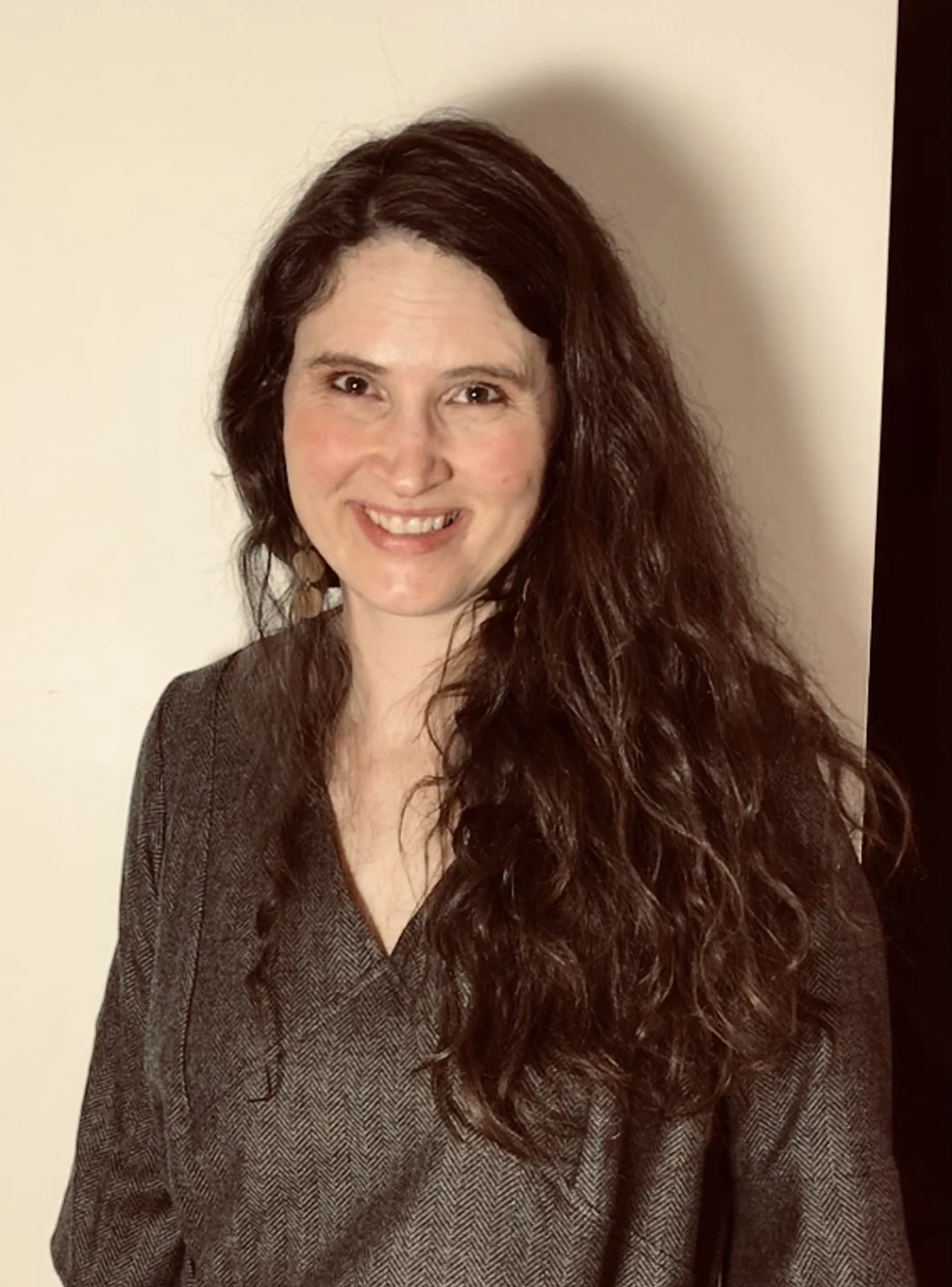
Hey, I’m Kaelin (she/her)
I've always felt things deeply. When I was a kid, I felt the emotions of those around me, both spoken and unspoken. And being so young, this felt like too much to carry. It wasn't until I found language for what I was experiencing that something in me finally settled.
That language was therapy. And it changed everything.
Now, 25 years into this work, I understand that what once felt like a burden is actually one of the greatest gifts I bring to the people I sit with. I feel things deeply because I understand what it means to struggle. I understand firsthand that healing is possible, not by changing who you are, but rather by finding yourself again.

The Path That Led Here
I spent years leading multi-day wilderness trips, rivers, backcountry, and extended expeditions. Out there, something interesting happened: people who wouldn't normally open up did. When you're navigating something hard together, the usual walls come down: you learn about yourself, about each other, and you grow.
I always knew those experiences were doing something therapeutic, even before I had the formal training to name it. Eventually, I traded the tent for a graduate program and brought what I'd learned about community, vulnerability, and the kind of change that happens in relationships into a more traditional counselling context.
From there, I worked for a decade in public mental health, across settings including youth, adult, corrections, and high schools. I worked closely with psychiatrists, child protection, and community organizations. It was through all of this that I learned how to hold complexity, work across systems, and understand when someone needs more than private practice can offer.
When I eventually opened Emerge, I wasn't starting from scratch; I was bringing all of that with me.
My Approach
There is nothing wrong with you. The ways you've learned to cope and protect yourself made sense when you developed them. They were intelligent responses to what you were living through, even if they're causing problems now. My job is to help you understand your why and show yourself compassion while doing so. From there, things will start shifting on their own.
-
IFS is a model that helps us get to know the different "parts" within us: the inner critic, the protector, the part that shuts down, and the one that's always trying to hold everything together. Rather than fighting those parts or trying to silence them, we get curious about them. When we understand what they're trying to protect us from, something softens. That's where real healing begins.
-
Not everyone needs the same thing, and I don't work from a one-size-fits-all model. I'm a certified DBT therapist and trained in EMDR. Sometimes the most helpful thing is skills-based and practical. Other times it's deeper inner work. Often it's both.
-
This means we go at your pace, always. I'll never push you somewhere you're not ready to go, and you're always allowed to change your mind about what you want to talk about or explore. I also bring social context into the room, who we are and how we're doing cannot be separated from where we come from, the systems we live in, and the histories we carry.
-
I use plain language, not clinical jargon. I believe in being honest with you about what I'm doing therapeutically and why. And yes, sometimes we laugh, therapy doesn't have to be serious every single second, and often, the moments of lightness are part of the healing.

Why I Do This Work
Showing up and sharing what’s really going on takes courage, and the trust clients place in me while doing so, I do not take lightly.
What keeps me in this work is watching people begin to get curious about themselves instead of fighting themselves. Seeing the moment someone realizes that the part of them they've been calling a problem has actually been trying to protect them all along. Watching shame lift. Watching space open up.
I also find it meaningful to simply sit with someone who is having a hard time. Not every session ends in a breakthrough. Sometimes it's just about not being alone in it. And that, too, is real and important.
A Little More About Me
I've lived in the Yukon for 20 years and love it here. I hold a Master's Degree in Counselling from Acadia University and a Bachelor of Education from Ottawa University, and I'm a Canadian Certified Counsellor with a clinical supervision designation (CCS). I'm also a certified DBT therapist and hold a master‘s-level certification in coaching through Integral Coaching Canada.
Neurodiversity is something I care about deeply and know well. I take a strongly neuroaffirming approach, which means I'm not here to pathologize how your brain works, but to help you understand it, work with it, and shed the shame that so often builds up around struggling in a world that wasn't designed with your brain in mind.
Outside of my practice, I love being on Yukon's trails and waterways, spending time with my family, and sharing a good cup of coffee with people I care about.
Frequently Asked Questions
-
The first session is a chance to get oriented together. We'll talk about what's been going on for you, what you're hoping for, and what you need to feel supported. I'll walk you through how I work, review some practical details like confidentiality and scheduling, and we'll start to build a picture of what our work together might look like. You don't need to have everything figured out before you arrive, we can sort that out as we go.
-
Not unless you want to. Some people find it helpful to explore their history; others find more value in focusing on what's happening now and building tools for the present. We follow your lead. That said, I do believe that understanding where our patterns come from can help us relate to ourselves with more compassion, but there's no script and no pressure.
-
IFS is a therapeutic model that helps people explore the different "parts" of themselves, the inner critic, the people-pleaser, the part that shuts down under stress, and understand what those parts are trying to do. It's a gentle, curiosity-based approach that many people find deeply helpful because it's non-pathologizing: it reframes the things we struggle with as protective rather than broken. That said, I don't impose any one model. We use what fits you.
-
IFS is primarily an inner-exploration model, it's about understanding yourself and healing at a deeper level.
DBT is more skills-focused, offering practical tools for managing intense emotions, improving relationships, and building a life that feels worth living. I often use DBT skills in shorter-term work or with clients who are navigating ADHD, emotional dysregulation, or periods of high stress.
IFS tends to come in when someone is ready to do deeper inner work. In practice, many clients benefit from elements of both.
-
Yes, and it's an area I care about deeply. Neurodiversity is something I have a lot of personal familiarity with, and I take a strongly neuroaffirming approach. I don't pathologize how your brain works, I want to help you understand it, work with it, and let go of the shame that so often comes with struggling in a world that wasn't designed with your brain in mind.
DBT skills in particular can be very useful for people managing ADHD.
-
It depends entirely on what you're working on and what you need. Some people come for six to eight sessions to work through a specific challenge or transition. Others engage in longer-term work to address patterns, trauma, or deeper questions about identity and purpose. We talk about this early on and revisit it as we go, there's no pressure to commit to a timeline upfront.
-
Yes. I offer both in-person sessions in Whitehorse and virtual sessions for people elsewhere in the Yukon.
-
That's completely normal, and I'd actually be more surprised if you weren't a little nervous. Reaching out takes courage. What I can tell you is that you won't be pushed to share more than you're ready to, you can ask as many questions as you like, and trust doesn't have to be there on day one, it builds over time, and that's okay. I'm also genuinely not the kind of therapist who comes in with an agenda. This is your space.
-
Yes! I offer a free 20-minute video consultation. It's a no-commitment opportunity to get a sense of how I work, share a little about what's brought you here, and ask anything you're wondering about.

If you're nervous about reaching out, that's completely normal.
You don't need to have it figured out. You don't need to trust me right away; trust takes time, and I know that. You're allowed to take it one session at a time, change your mind, or ask as many questions as you need.
What I can tell you is this: I wouldn't be doing this work if I didn't believe that change is possible. I've seen it too many times to doubt it.
If you're ready to explore what that might look like for you, I'd love to connect.